

In my exploration of hyperlipoproteinemias, I underscore their profound implications on lipid metabolism and cardiovascular health. These complex lipid disorders signify an imbalance in lipoproteins, which can lead to serious health consequences. Grasping the underlying causes of hyperlipoproteinemias, alongside their associated risks, is crucial—especially for individuals susceptible to cholesterol abnormalities. By shedding light on these factors, I aim to emphasize the importance of awareness and management in maintaining overall well-being.
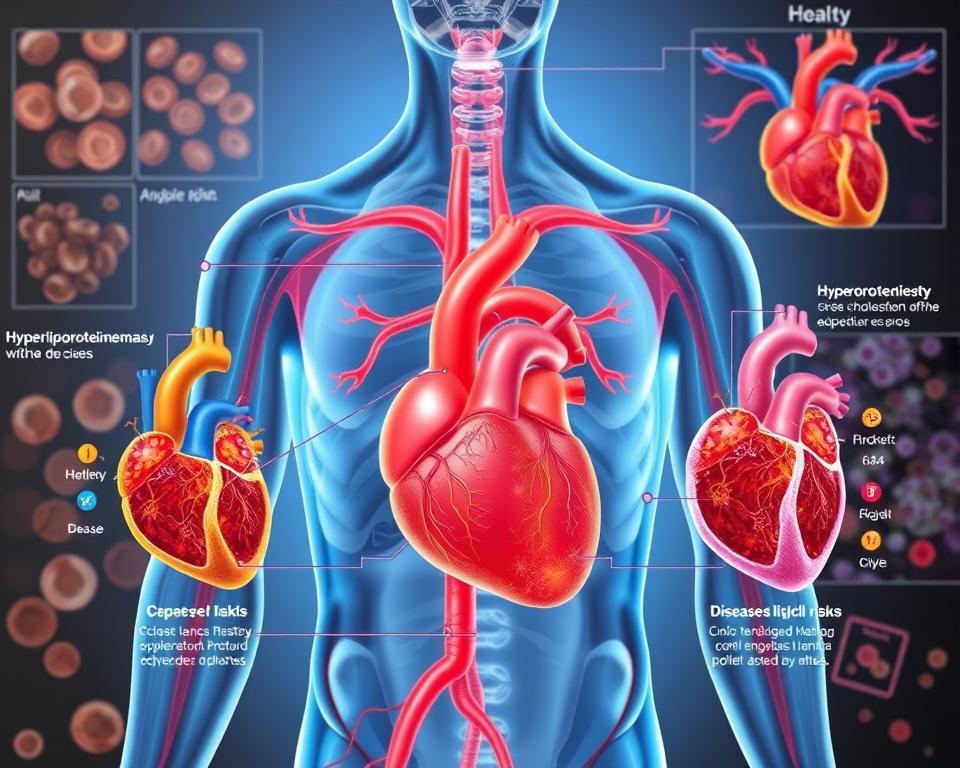
Key Takeaways
- Hyperlipoproteinemias are significant lipid disorders impacting cardiovascular health.
- Understanding the causes of hyperlipoproteinemias is vital for those at risk.
- Imbalances in lipoproteins can lead to serious health complications.
- Awareness of the risks associated with hyperlipoproteinemias is essential for prevention.
- Lipid metabolism plays a critical role in overall well-being.
What Are Hyperlipoproteinemias?
Hyperlipoproteinemias encompass a spectrum of disorders characterized by aberrant levels of lipoproteins within the circulatory system. Grasping the definition of hyperlipoproteinemias is paramount to comprehend their profound implications on health. These lipoproteins are indispensable for the transport of cholesterol and triglycerides, substances crucial for various physiological processes.
The malfunction of lipoproteins can precipitate severe health consequences, notably cardiovascular diseases. My investigation into these conditions underscores their influence on lipid levels and the attendant risks. The imperative for early detection and management of hyperlipoproteinemias cannot be overstated, as it is the cornerstone in averting potential complications.
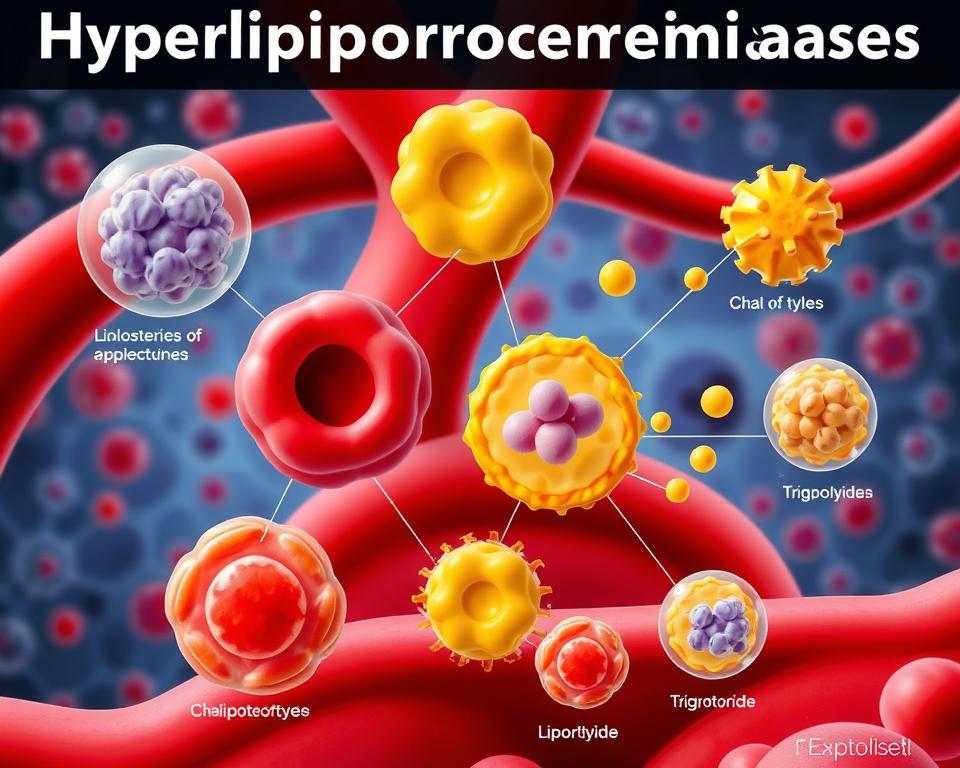
Through my research, I have discerned that the fluctuations in lipid levels resulting from these conditions can stem from genetic predispositions or environmental factors. An in-depth comprehension of the components of lipoproteins and their roles is essential. This knowledge facilitates a deeper understanding of how hyperlipoproteinemias manifest and the necessary interventions to mitigate their effects.
Types of Hyperlipoproteinemias
The differentiation between primary and secondary hyperlipoproteinemias is paramount for efficacious management and treatment. These conditions are categorized into two distinct categories, each presenting unique challenges necessitating customized approaches. The specific lipoprotein patterns play a pivotal role in determining their metabolic impact.
Primary versus Secondary
Primary hyperlipoproteinemias originate from genetic mutations, disrupting lipid metabolism. These inherited conditions often result in elevated levels of specific lipoproteins in the bloodstream. Conversely, secondary hyperlipoproteinemias are precipitated by external factors, such as lifestyle choices, medications, or underlying diseases. Grasping these distinctions is vital for the effective tailoring of treatment interventions.
Classification Based on Lipoprotein Patterns
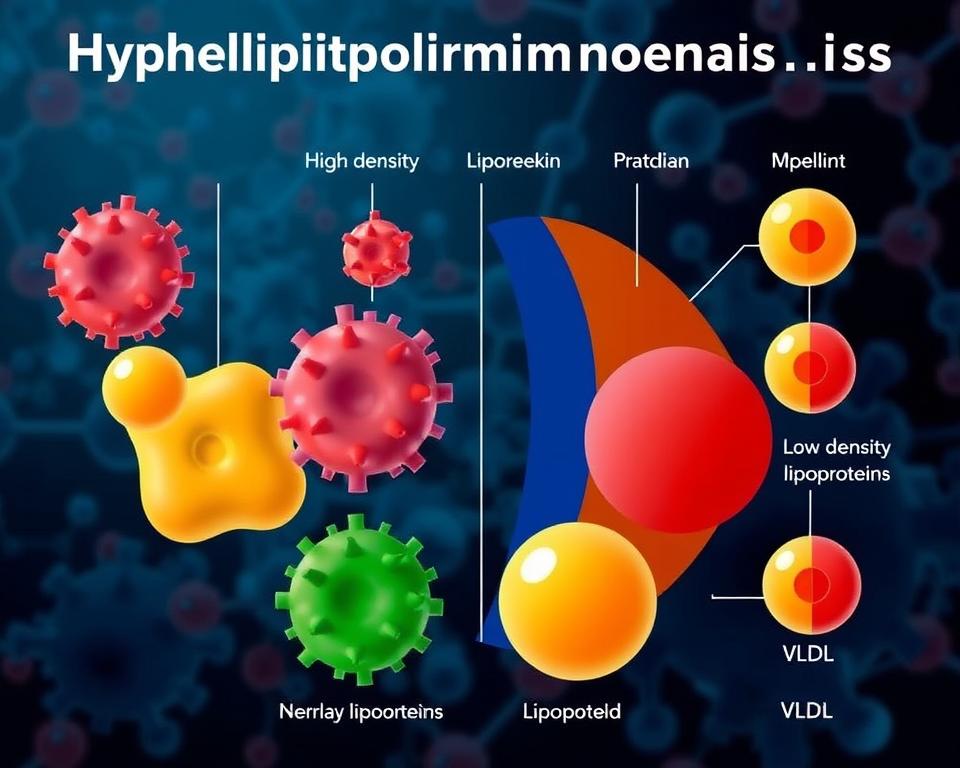
The lipoprotein patterns offer a window into the types of hyperlipoproteinemias present in a patient. Variations in these patterns signify specific lipid metabolism dysfunctions. Notably, an increase in low-density lipoprotein (LDL) or very low-density lipoprotein (VLDL) is common. Identifying these patterns is essential for assessing cardiovascular risk and optimizing therapeutic strategies.
Causes of Hyperlipoproteinemias
The etiology of hyperlipoproteinemias is multifaceted, encompassing both genetic predispositions and environmental influences. Genetic lipid disorders significantly impact the body’s lipid metabolism, shaping cholesterol levels and lipid profiles. This understanding offers profound insights into the individual risk factors at play.
Genetic Factors
Genetic predispositions are pivotal in the development of hyperlipoproteinemias. Familial hypercholesterolemia, a paradigmatic genetic lipid disorder, dramatically elevates LDL cholesterol levels. Such conditions necessitate rigorous health monitoring. Single-gene mutations can disrupt lipid metabolism, escalating the risk of severe health complications.
Environmental Influences
Environmental factors exacerbate the manifestations of hyperlipoproteinemias. Dietary patterns, physical activity levels, and lifestyle choices profoundly affect lipid behavior. For example, a diet rich in saturated fats and sugars can significantly increase triglyceride levels. Conversely, a sedentary lifestyle can further deteriorate lipid profiles. Thus, addressing these environmental determinants is crucial for effective lipid management.

| Factor Type | Details |
|---|---|
| Genetic Factors | Familial hypercholesterolemia leads to elevated LDL cholesterol levels. |
| Environmental Influences | High saturated fat diet can increase triglyceride levels. |
| Lifestyle Choices | Regular exercise helps to improve lipid profiles. |
| Medication Effects | Certain medications can influence lipid metabolism adversely. |
Impact of Hyperlipoproteinemias on Lipid Metabolism
Hyperlipoproteinemias significantly disrupt lipid metabolism, altering the balance of lipoproteins in the bloodstream. This impacts the body’s processing of fats and cholesterol. The normal function of cholesterol transport heavily relies on well-regulated lipoprotein levels. When these levels are altered, the potential for lipid accumulation or deficiency increases, leading to various health complications.
The effects of hyperlipoproteinemias are evident in the body’s handling of cholesterol and triglycerides. Elevated levels of Low-Density Lipoproteins (LDL) can lead to arterial plaque buildup, raising the risk for cardiovascular diseases. Conversely, inadequate levels of High-Density Lipoproteins (HDL) can hinder the removal of excess cholesterol from the bloodstream, which is vital for maintaining a healthy lipid profile.
This imbalance can result in numerous metabolic disorders, compulsively affecting not just lipid levels but overall health as well. Understanding the intricate relationship between hyperlipoproteinemias and lipid metabolism can help in identifying and managing these conditions effectively.
Symptoms of Hyperlipoproteinemias
Identifying the symptoms of hyperlipoproteinemias is crucial for timely diagnosis and effective management. Individuals may exhibit a variety of lipid-related symptoms, indicative of elevated lipid levels within the body.
The appearance of xanthomas, fatty deposits on the skin, often around the eyes, elbows, or knees, is a common symptom. These deposits can vary in size and serve as a visual indicator of lipid metabolism issues.
Corneal deposits, another symptom, manifest as a bluish or whitish ring around the cornea. These changes suggest cholesterol accumulation in the eye, indicating an underlying lipid disorder.
Hyperlipoproteinemias are often associated with increased risks of cardiovascular events. Symptoms such as chest pain or discomfort, shortness of breath, and fatigue may signal lipid levels’ impact on cardiovascular health. Recognizing these symptoms can prompt more proactive measures in managing lipid levels.
Being aware of these symptoms empowers individuals to seek medical advice promptly. This ensures that potential hyperlipoproteinemias are addressed effectively. Timely intervention can significantly alter outcomes, leading to better management of lipid-related disorders.
Diagnosis of Hyperlipoproteinemias
The precise identification of hyperlipoproteinemias is paramount for efficacious management and treatment. A detailed lipid profile emerges as a pivotal tool for assessing lipid levels and pinpointing any anomalies. This understanding facilitates healthcare providers in devising targeted intervention strategies.
Importance of Lipid Profiles
Lipid profiles offer critical insights into the diverse lipid constituents within the bloodstream, thereby aiding in the diagnosis of hyperlipoproteinemias. These profiles typically encompass measurements of total cholesterol, low-density lipoprotein (LDL), high-density lipoprotein (HDL), and triglycerides. Healthcare professionals interpret these values to ascertain the presence of lipid disorders, thereby customizing treatment approaches. An abnormal lipid profile may necessitate further testing or interventions.
Diagnostic Tests and Procedures
Diagnostic tests and procedures hold a pivotal role in the diagnosis of hyperlipoproteinemias. Primary assessments include lipid panels, which scrutinize blood samples to evaluate lipid levels. Physicians may also recommend genetic testing for individuals with a familial predisposition to hyperlipoproteinemias. This aids in identifying genetic mutations contributing to elevated lipid levels. A summary of common diagnostic tests includes:
| Test Type | Description | Purpose |
|---|---|---|
| Lipid Panel | Measures total cholesterol, LDL, HDL, and triglycerides | Initial assessment of lipid levels |
| Genetic Testing | Analyzes DNA for hereditary lipid disorders | Identifies genetic predispositions |
| Advanced Lipid Testing | Evaluates subtypes of LDL and HDL particles | Offers deeper insights into cardiovascular risk |
Familial Hypercholesterolemia: A Specific Case
Familial hypercholesterolemia exemplifies a genetic lipid disorder characterized by elevated cholesterol levels. It is primarily caused by mutations in the LDLR gene, impairing the body’s LDL cholesterol removal capability. This condition impacts approximately 1 in 200 to 500 individuals globally, underscoring its critical role in cholesterol management.
The resultant high cholesterol levels in familial hypercholesterolemia significantly elevate cardiovascular disease risk, particularly at a young age. Early detection and proactive management are imperative to mitigate these risks. Treatment typically involves a combination of pharmaceutical interventions and lifestyle modifications, facilitating the stabilization of lipid levels.
- Genetic Testing: Essential for diagnosis, as it confirms the presence of mutations linked to familial hypercholesterolemia.
- Regular Monitoring: Individuals should monitor their cholesterol levels frequently to assess the effectiveness of their management strategies.
- Family Screening: Encouraged for first-degree relatives to identify others who may be affected.
Understanding familial hypercholesterolemia aids in personal health management and highlights the broader significance of addressing genetic lipid disorders. The insights derived from this condition are instrumental in developing more effective cholesterol management strategies for those affected.
Cardiovascular Risk Factors Linked to Hyperlipoproteinemias
The interplay between hyperlipoproteinemias and cardiovascular risk factors is of paramount importance. Elevated lipoprotein levels significantly contribute to atherosclerosis development. This condition, marked by the accumulation of fatty deposits in arterial walls, poses a substantial risk for heart disease and stroke.
Atherosclerosis and Its Connection
The relationship between hyperlipoproteinemias and atherosclerosis is profound. As lipoprotein levels, especially LDL, increase, the risk of arterial plaque formation escalates. This intensifies the cardiovascular risk profile for those with hyperlipoproteinemias.
The nexus between lipoprotein concentrations and arterial health is critical for cardiovascular wellness. Elevated lipoproteins trigger inflammatory responses, exacerbating atherosclerosis-related conditions. These consequences include:
- Increased arterial stiffness
- Reduced blood flow
- Higher likelihood of blood clots
Comprehending atherosclerosis is essential for identifying preventive measures for individuals with hyperlipoproteinemias. Through lifestyle modifications and medical interventions, managing these risks is feasible.
| Cardiovascular Risk Factors | Impact of Hyperlipoproteinemias |
|---|---|
| High LDL Cholesterol | Promotes plaque buildup in arteries |
| Low HDL Cholesterol | Reduces the body’s ability to remove excess cholesterol |
| Hypertension | Increases strain on arterial walls |
| Diabetes | Elevates chances of vascular complications |
In conclusion, the connection between cardiovascular risk factors, hyperlipoproteinemias, and atherosclerosis underscores the necessity of addressing elevated lipoprotein levels. By understanding these dynamics, individuals can proactively enhance their cardiovascular health.
Managing Lipid Levels in Hyperlipoproteinemias
The imperative of managing lipid levels in individuals with hyperlipoproteinemias cannot be overstated, given the associated health risks. The implementation of meticulous monitoring and lifestyle adjustments is pivotal. It is imperative to collaborate with healthcare providers to devise a personalized plan, addressing specific lipid-related concerns.
Regular lipid profile monitoring is a cornerstone of hyperlipoproteinemias management. I advocate for the scheduling of lipid tests at regular intervals. These tests offer crucial insights into cholesterol levels, guiding necessary interventions. Through consistent testing, one can monitor progress and refine strategies as required.
Dietary modifications are another critical aspect in lipid level management. I stress the importance of integrating heart-healthy foods into one’s diet. This includes a variety of fruits, vegetables, whole grains, and lean proteins. It is crucial to avoid saturated fats and trans fats to support healthier lipid profiles. Additionally, the inclusion of omega-3 fatty acids, found in fish and flaxseed, may be beneficial for lipid management.
- Incorporate more fruits and vegetables into daily meals.
- Choose whole grains over refined grains.
- Limit intake of saturated and trans fats.
- Include sources of omega-3 fatty acids, such as fish and flaxseed.
Physical activity is also a crucial factor in lipid level management. Regular aerobic exercise enhances lipid profiles and overall cardiovascular health. I recommend aiming for at least 150 minutes of moderate-intensity exercise each week.
Lastly, consulting with a healthcare provider is indispensable. They can offer guidance on medication options if lifestyle changes alone do not yield the desired outcomes. A collaborative approach ensures effective hyperlipoproteinemias management, leading to enhanced health and well-being.
Treatment Options for Hyperlipoproteinemias
The management of hyperlipoproteinemias necessitates a comprehensive strategy, integrating pharmacological interventions with indispensable lifestyle adjustments. A thorough comprehension of the available treatment modalities is paramount for the effective management of this condition.
Medications for Lipid Management
The primary goal of pharmacotherapy for hyperlipoproteinemias is to diminish lipid levels and mitigate cardiovascular risk. A variety of pharmacological agents are employed, each with distinct mechanisms of action:
- Statins – These drugs inhibit cholesterol synthesis in the liver, effectively reducing low-density lipoprotein (LDL) cholesterol levels.
- Fibrates – They primarily aim to lower triglyceride levels and can also slightly increase high-density lipoprotein (HDL) cholesterol.
- Niacin – Known for its ability to improve HDL cholesterol and lower triglycerides, niacin can also reduce LDL cholesterol.
- Bile acid sequestrants – These medications work by binding bile acids in the intestines, helping to lower LDL cholesterol levels.
- PCSK9 inhibitors – A newer class of injectable medications that have shown significant efficacy in lowering LDL cholesterol, particularly in individuals with familial hypercholesterolemia.
Lifestyle Modifications and Their Importance
Integrating lifestyle modifications is crucial for augmenting the efficacy of pharmacotherapy and enhancing overall health. Essential modifications include:
- Dietary changes – Adopting a heart-healthy diet rich in fruits, vegetables, whole grains, and healthy fats can play a crucial role in lipid management.
- Regular physical activity – Engaging in regular exercise aids in lowering LDL cholesterol and triglycerides while increasing HDL cholesterol.
- Weight management – Achieving and maintaining a healthy weight can significantly impact lipid levels and overall cardiovascular health.
- Avoiding tobacco – Quitting smoking contributes to improved HDL cholesterol levels and overall heart health.
- Moderating alcohol consumption – Keeping alcohol intake within recommended limits can help maintain a healthy lipid profile.
Long-term Risks Associated with Hyperlipoproteinemias
Grasping the long-term risks inherent in hyperlipoproteinemias is paramount for those grappling with lipid disorders. The elevation of lipid levels precipitates substantial health repercussions over an extended period. Specifically, individuals with uncontrolled hyperlipoproteinemias are at an elevated risk of experiencing cardiovascular calamities such as myocardial infarctions and cerebral vascular accidents. These perils are substantiated by a plethora of research, underscoring the correlation between lipid anomalies and severe health repercussions.
The nexus between hyperlipoproteinemias and long-term health maladies transcends cardiovascular calamities. Prolonged elevation of lipoprotein levels can contribute to the development of atherosclerosis, a condition characterized by the narrowing of blood vessels, potentially culminating in peripheral artery disease and other complications.
To elucidate the spectrum of health consequences, consider the following table, which delineates various long-term risks associated with hyperlipoproteinemias:
| Condition | Description | Long-term Consequence |
|---|---|---|
| Heart Attack | Acute blockage of blood flow to the heart muscle | Potentially fatal or leading to severe heart damage |
| Stroke | Disruption of blood flow to the brain | Long-term disability or cognitive impairment |
| Atherosclerosis | Thickening and hardening of artery walls | Increased risk of cardiovascular diseases |
| Peripheral Artery Disease | Narrowing of arteries in the limbs | Potential for pain, mobility issues, or limb loss |
By acknowledging these long-term risks, individuals are empowered to make informed health management decisions. Prioritizing regular screenings and adopting lifestyle modifications can significantly mitigate the adverse effects of hyperlipoproteinemias, thereby enhancing long-term health outcomes.
Preventive Measures for Hyperlipoproteinemias
In addressing hyperlipoproteinemias, I prioritize a set of effective preventive measures that can significantly mitigate risks. Regular screenings play a crucial role in detecting lipid imbalances early. My routine blood tests help monitor lipid levels and track any changes over time.
Maintaining a healthy lifestyle forms the foundation of hyperlipoproteinemias prevention. This includes:
- Engaging in regular physical activity, which can help raise HDL levels while lowering LDL.
- Adopting a balanced diet rich in fruits, vegetables, whole grains, and healthy fats from sources like avocados and nuts.
- Avoiding trans fats and limiting saturated fats to reduce the risk of elevated cholesterol levels.
Additionally, I find that managing stress through mindfulness practices can also contribute to better lipid profiles. Avoiding tobacco products and limiting alcohol intake are crucial preventive measures that I integrate into my daily routine. By focusing on these aspects, I aim for a proactive approach in hyperlipoproteinemias prevention.
Research and Developments in Hyperlipoproteinemias
The domain of hyperlipoproteinemias is experiencing a surge in innovation, particularly in the realm of research. Scientists are intensifying their exploration into the genetic determinants and biochemical pathways that underpin these conditions. This endeavor is yielding profound insights into lipid metabolism, potentially redefining our comprehension of this field. The current focus lies in pinpointing novel genetic mutations, which could elucidate the predisposition of certain individuals to hyperlipoproteinemias.
Moreover, the evolution of treatment modalities is showing considerable promise. New therapeutic avenues, including monoclonal antibodies and gene therapies, are being investigated. These interventions aim to specifically address lipoprotein anomalies, thereby enhancing lipid management for those afflicted. My engagement with the latest clinical trials and breakthroughs underscores the potential for these advancements to significantly elevate patient health outcomes.
Concurrently, ongoing research is deepening our understanding of the fundamental mechanisms driving hyperlipoproteinemias. The findings from this research are laying the groundwork for the advent of personalized medicine. This development enables the formulation of treatment plans that are meticulously tailored to an individual’s genetic makeup. As this research continues to progress, it heralds a future where these complex disorders can be more effectively managed.
FAQ
What are hyperlipoproteinemias?
Hyperlipoproteinemias represent a spectrum of disorders characterized by aberrant lipid transport in the bloodstream. These conditions manifest due to elevated levels of lipoproteins, which are critical for various bodily functions. The resultant lipid imbalances significantly elevate the risk of cardiovascular disease.
What causes hyperlipoproteinemias?
The etiology of hyperlipoproteinemias is multifactorial, encompassing both genetic predispositions and environmental influences. Familial hypercholesterolemia, a genetic condition, plays a pivotal role. Conversely, lifestyle factors such as diet and physical activity also contribute to lipid disorders.
How do hyperlipoproteinemias affect lipid metabolism?
Hyperlipoproteinemias disrupt lipid metabolism by impairing cholesterol transport within the body. This disruption precipitates lipid accumulation or deficiency in the bloodstream, thereby increasing the risk of atherosclerosis and cardiovascular disease.
What symptoms should I look out for?
Individuals with hyperlipoproteinemias may exhibit symptoms such as xanthomas, corneal deposits, and an elevated risk of cardiovascular events. Prompt recognition of these symptoms is imperative for timely diagnosis and management of lipid disorders.
How are hyperlipoproteinemias diagnosed?
Diagnosing hyperlipoproteinemias typically involves a comprehensive lipid profile analysis. This assesses lipid levels in the blood. Additional diagnostic tools, including genetic screening, may be employed to confirm these disorders.
What is familial hypercholesterolemia?
Familial hypercholesterolemia is a genetic lipid disorder characterized by significantly elevated cholesterol levels. It is caused by a genetic mutation. Early identification and management are critical to mitigate associated risks.
What are the cardiovascular risks linked to hyperlipoproteinemias?
Hyperlipoproteinemias are closely associated with cardiovascular risk factors, particularly atherosclerosis. This association contributes to the development of heart disease and related conditions, primarily due to elevated lipoprotein levels and lipid abnormalities.
What are some strategies for managing lipid levels?
Managing lipid levels in individuals with hyperlipoproteinemias involves regular monitoring, dietary adjustments, and healthcare provider consultations. Maintaining healthy lipid levels is crucial to mitigate potential health risks.
What treatment options are available for hyperlipoproteinemias?
Treatment for hyperlipoproteinemias includes pharmacological interventions, such as statins, and lifestyle modifications. Dietary changes and exercise are essential for effective management and cholesterol control.
What long-term risks are associated with unmanaged hyperlipoproteinemias?
Unmanaged hyperlipoproteinemias pose serious long-term health risks, including increased likelihood of heart attacks, strokes, and other significant health consequences. Understanding these risks highlights the importance of effective management.
What preventive measures can I take?
Preventive measures for hyperlipoproteinemias include regular lipid level screenings, a healthy lifestyle, and informed dietary and exercise choices. These measures can significantly reduce the risk of developing lipid disorders.
What advancements are being made in the research of hyperlipoproteinemias?
Ongoing research into hyperlipoproteinemias includes advancements in treatment options, genetic studies, and new insights into the underlying mechanisms of these disorders. These developments are vital for enhancing understanding and management of lipid abnormalities.
| Today updated posts https://sabkuchonline.pk/ | |
| Category | Apply Link |
| Physiology | Veins and their Functions: Essential Blood Pathways – sabkuchonline.pk |
| Physiology | Microcirculation and Starling: Vital Blood Flow – sabkuchonline.pk |